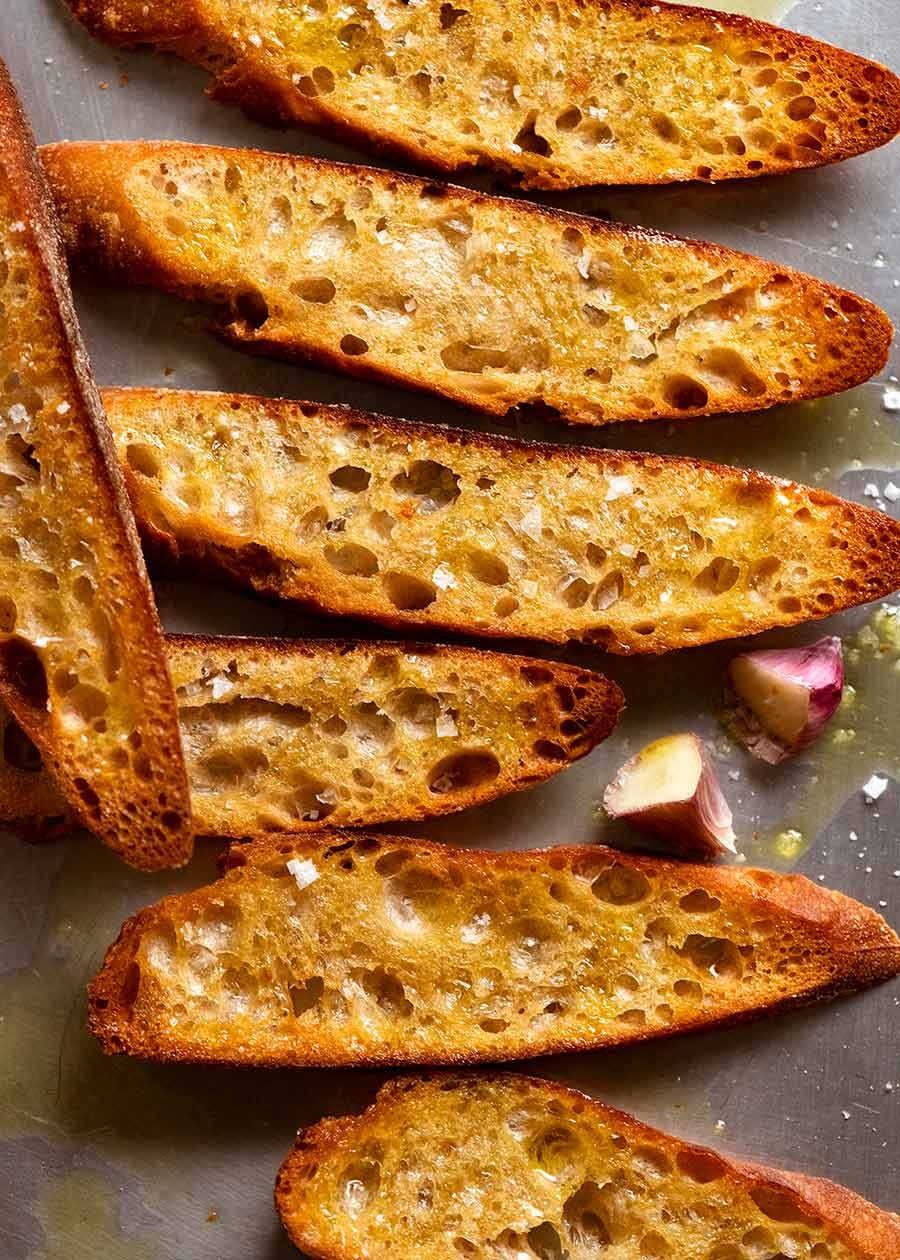
Crostini Secrets: The Simple Trick for Perfectly Oiled Toast
There's a certain magic to a perfectly crafted crostini. These elegant, bite-sized toasts, topped with an array of delectable ingredients, have a way of elevating any gathering, transforming a simple get-together into an occasion. From intimate wine nights to bustling dinner parties, crostini consistently delivers on flavor, versatility, and sheer aesthetic appeal. Yet, the secret to its success isn't just in the delicious toppings – it truly lies in the foundation. Imagine a crisp, golden base that perfectly cradles its vibrant adornments without crumbling or becoming soggy. If you’ve ever wondered **how to make crostini** that achieves this ideal texture every single time, you’re in the right place. We're about to uncover the simple, game-changing trick for perfectly oiled toast that will revolutionize your appetizer game.
What Exactly is Crostini, Anyway?
At its heart,
crostini (Italian for "little toasts") is precisely what its name implies: small, thinly sliced pieces of bread, typically a baguette, that are toasted until crisp and then adorned with various toppings. While its definition might sound straightforward, the culinary potential of crostini is anything but basic. Think of it as a blank canvas, eagerly awaiting your artistic touch.
Traditionally, crostini serves as a versatile companion for a glass of wine and engaging conversation, offering a delightful crunch and a vehicle for an endless parade of flavors. It’s an appetizer that effortlessly scales up for a large crowd or remains charmingly intimate for a quiet evening. Whether you’re leaning into classic bruschetta combinations or exploring bold, innovative pairings, crostini adapts beautifully. It’s no wonder many hosts, including myself, have a "Crostini du Jour" philosophy, constantly discovering and sharing new topping inspirations. This adaptability, combined with its inherent elegance and ease of preparation, makes crostini an undisputed go-to for any occasion.
The Indispensable Foundation: Why Your Crostini Base Matters Most
While the allure of gourmet toppings can be intoxicating, the undeniable truth about crostini is this:
it's all about the base. No matter how exquisite your lobster salad or how vibrant your tomato bruschetta, if the foundation beneath it fails, the entire experience falls flat. A crostini base that is either too soggy to hold its topping, or so hard and brittle that it shatters into crumbs, undermines all the effort put into the flavors above.
Consider the crostini toast as the foundational layer of a magnificent building. Without a strong, stable foundation, the entire structure is compromised. For crostini, this means starting with the right ingredients and preparing them correctly.
Here’s what you’ll need for a truly great base:
*
Fresh Bread: A high-quality, fresh baguette is the classic choice, offering the perfect crumb structure and size. However, don't limit yourself. Artisan breads like ciabatta or even a firm sourdough loaf can be sliced thinly to create equally compelling bases, offering different flavor profiles. The key is a bread with a relatively tight crumb that won't fall apart when sliced thinly or become too airy after toasting.
*
Extra Virgin Olive Oil (EVOO): The lifeblood of good crostini, providing flavor, crispness, and that desirable golden hue.
*
Seasoning: A simple sprinkle of fine sea salt and freshly ground black pepper is usually all that’s needed to enhance the bread’s natural flavor.
*
Equipment: An oven, a baking sheet, and parchment paper are your essential tools for achieving even toasting.
The quality of these simple components directly influences the final outcome, laying the groundwork for a truly exceptional appetizer.
Crostini Secrets Revealed: The Simple Trick for Perfectly Oiled Toast
For years, many traditional crostini recipes advocated for brushing olive oil onto each slice of bread before baking. While this method sounds perfectly reasonable in theory, in practice, it often leads to frustration and inconsistent results. You might find some slices drenched in oil, becoming greasy and heavy, while others remain too dry, refusing to achieve that desired golden crispness. Add to that the extra time spent, the potential for a messy countertop, and the struggle for even coverage, and it becomes clear that there has to be a better way.
And there is! The secret to effortlessly and perfectly oiled crostini every single time lies in one simple, brilliant tool:
Extra Virgin Olive Oil (EVOO) Spray.
This might sound deceptively simple, but the impact is profound. A quick, even mist of EVOO spray provides uniform coverage across every single slice. This ensures that each piece of bread is lightly and consistently coated, promoting even browning and crisping in the oven without any greasy spots or dry edges.
Here’s why EVOO spray is the game-changer:
*
Uniform Coverage: Unlike brushing, which can leave uneven patches, a spray delivers a fine, consistent layer of oil.
*
Time-Saving: Preparing a batch of crostini becomes significantly faster. Just arrange, spray, season, and bake!
*
Less Mess: No more oily brushes, drips, or excess oil to clean up.
*
Consistent Crispness: Even oil distribution means all your crostini will achieve that ideal golden, crunchy texture simultaneously.
*
Healthier Option: While still oil, a light spray typically uses less overall oil than brushing liberally.
It’s crucial to specify
extra virgin olive oil spray. Avoid generic cooking sprays (like Pam or canola oil sprays) which can contain propellants and other ingredients that might impart an off-flavor or texture. Look for pure EVOO in an aerosol can, or even better, invest in a reusable oil mister that you can fill with your favorite high-quality EVOO. This simple switch will not only make your crostini preparation easier but will also ensure consistently delicious results.
Step-by-Step: Crafting Your Perfect Crostini Base
Mastering the crostini base is remarkably straightforward with the right technique. Here’s a detailed guide on **how to make crostini** that's crispy, flavorful, and ready for your favorite toppings:
1.
Preheat Your Oven: Set your oven to 375°F (190°C). This temperature is ideal for achieving a golden, crisp texture without burning.
2.
Prepare Your Bread: Take a fresh baguette or your chosen artisan bread and slice it into ¼-inch (about ½ cm) thick pieces. Consistency in thickness is key here, as it ensures even toasting across all slices. Thinner slices will yield a crisper crostini, while slightly thicker ones might be better for very hearty toppings.
3.
Arrange on Baking Sheet: Line a large baking sheet with parchment paper. This prevents sticking and makes cleanup a breeze. Arrange your bread slices in a single layer, ensuring they don't overlap. Give them a little space for air circulation.
4.
The Oil Spray Trick: Now, for the secret! Take your extra virgin olive oil spray and mist the bread slices evenly. Aim for a light, consistent coating across the entire surface of each slice.
5.
Season Generously: Sprinkle the oiled bread with a pinch of fine sea salt and freshly ground black pepper. You can also add a touch of garlic powder or dried herbs like oregano or thyme at this stage if desired, to infuse extra flavor into the base.
6.
Bake Initial Side: Place the baking sheet in the preheated oven and bake for 8-10 minutes. Keep an eye on them; ovens vary.
7.
Flip and Finish: Carefully flip each crostini slice to toast the other side. Return to the oven and bake for another 5-7 minutes, or until both sides are beautifully golden brown and crisp. They should feel firm to the touch.
8.
Cool Completely: This step is crucial! Remove the crostini from the oven and let them cool completely on the baking sheet or a wire rack. As they cool, they will become even crisper.
9.
Storage: Once fully cooled, transfer your crostini to an airtight container or a Ziploc bag. They will stay fresh and crispy for up to 3 days, making them perfect for advance preparation.
For more detailed guidance and alternative methods, you can explore our full guide on
Easy Homemade Crostini: Craft the Perfect Crispy Appetizer.
Beyond the Base: Unleashing Your Crostini Creativity
With your perfectly crisp and golden crostini base ready, the real fun begins: exploring the boundless world of toppings. As mentioned, crostini is a true culinary blank canvas, inviting you to experiment with flavors, textures, and colors. There are no strict rules, only delicious possibilities!
Your toppings can range from wonderfully simple to spectacularly elaborate:
*
Classic Combinations: Think traditional tomato bruschetta, made with ripe diced tomatoes, fresh basil, garlic, and a drizzle of balsamic glaze. Or perhaps creamy ricotta cheese topped with a touch of honey and black pepper.
*
Savory Sensations: Consider roasted red peppers and goat cheese, smoked salmon with dill cream cheese, fig jam with prosciutto and a hint of blue cheese, or a rich mushroom pâté. Leftover roasted vegetables can be mashed or chopped and seasoned for an instant topping.
*
Elevated Elegance: For special occasions, explore options like a delicate crab or lobster salad, thinly sliced steak with horseradish cream, or even a dollop of caviar.
*
Sweet Surprises: Don’t limit crostini to savory options! Spread with mascarpone cheese, fresh berries, and a sprinkle of powdered sugar, or melted dark chocolate with a touch of sea salt for a delightful dessert bite.
The beauty of crostini lies in its encouragement of improvisation. Dig through your pantry, see what ingredients you have on hand, and let inspiration guide you. The key is to understand which flavors complement each other and how different textures will play on your crispy base. A creamy topping might need a sprinkle of crunchy nuts, while a rich topping could benefit from a tangy element like balsamic glaze or pickled onions.
To further unlock your culinary imagination and discover an array of innovative topping ideas, be sure to read our comprehensive article on
Unlock Crostini Creativity: Versatile Toppings Start with the Base. You’ll be amazed at how simple ingredients can transform into sophisticated appetizers.
Homemade vs. Store-Bought: Why Fresh Always Wins
In a world filled with convenience, store-bought crostini might seem like a tempting shortcut. However, as with most things in the kitchen, homemade truly wins every time.
Here's why making your own crostini is superior:
*
Cost-Effectiveness: A fresh baguette is significantly cheaper than a box of pre-made crostini, especially if you're feeding a crowd.
*
Flavor and Quality Control: You get to choose the freshness of your bread and the quality of your extra virgin olive oil. Store-bought versions often use lower-grade oils and can contain unwanted preservatives or seasonings that might not align with your toppings.
*
Superior Texture: Nothing beats the crisp, light crunch of freshly baked crostini. Store-bought versions can sometimes be overly hard, stale, or lack that distinct fresh flavor.
*
Customization: Homemade allows you to tailor the thickness of your slices and the level of crispness to your exact preference.
Conclusion
Mastering the art of crostini is a rewarding culinary skill that pays dividends in delicious appetizers and impressed guests. By understanding the critical role of the base and adopting the simple yet revolutionary trick of using extra virgin olive oil spray, you can consistently achieve perfectly oiled, golden, and impossibly crisp toasts. This foundational excellence then opens the door to endless creative possibilities for toppings, turning simple ingredients into sophisticated bites. So, embrace the baguette, grab your EVOO spray, and prepare to elevate your hosting game with the most versatile and delectable appetizer around. Happy toasting!